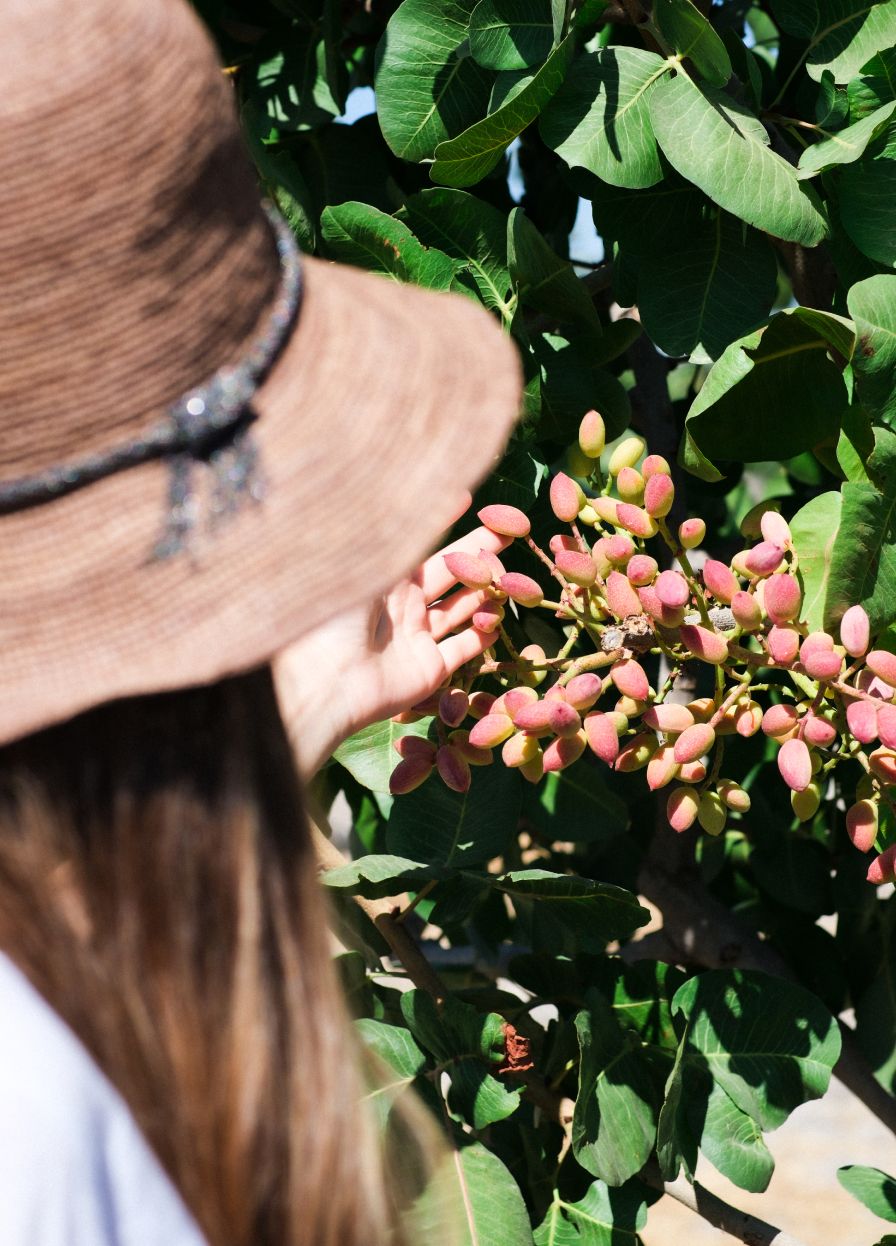
An Adopter’s Guide to Pistachio Trees
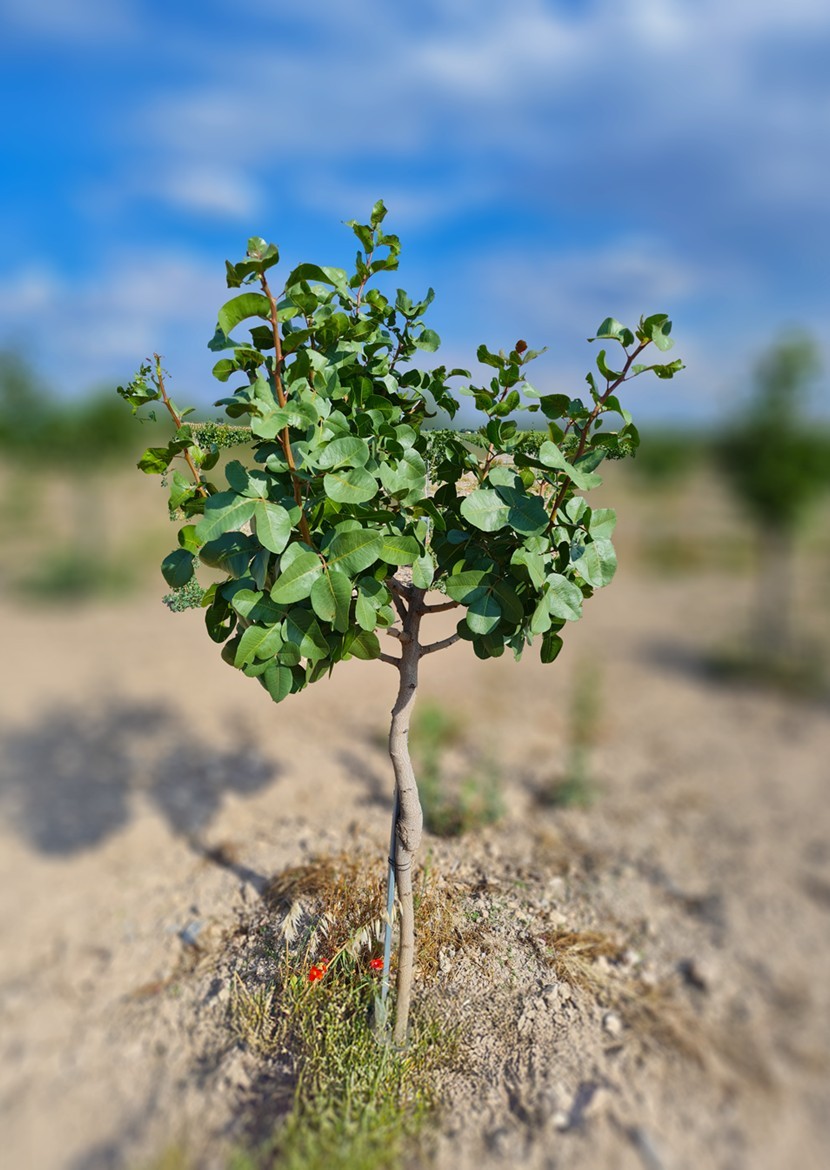
Pistachio trees are remarkable plants. Slow to mature but incredibly resilient, they’re known for producing nutritious harvests over decades when grown in the right conditions. Whether you’re curious about how pistachios grow or considering tree adoption, this guide explains everything you need to know.
How Long Do Pistachio Trees Take to Mature?
Pistachio trees are a long-term commitment. After planting, they typically take 4–6 years before producing their first meaningful harvest. Full commercial production usually begins around 8–10 years, which is why pistachio farming is often described as a patient but rewarding process.
Once mature, the tree settles into a predictable rhythm of growth and production that can last for decades.
When and How Often Do Pistachio Trees Produce Harvests?
Pistachio trees produce one main harvest per year, usually in late summer to early autumn. An important feature of pistachio trees is alternate bearing. This means they often have:
-
One high-yield year
-
Followed by a lower-yield year
This is completely natural and expected in pistachio cultivation. Over time, experienced growers manage this cycle through pruning, irrigation, and soil care.
How Long Do Pistachio Trees Live?
With proper care, pistachio trees are incredibly long-lived. Many remain productive for 50 to 100 years, and some even longer. This longevity makes them especially suited to long-term growing projects and sustainable farming models.
What Climate Do Pistachio Trees Prefer?
Pistachio trees thrive in hot, dry climates with clear seasonal variation. Ideal conditions include:
-
Hot summers (regularly above 30°C)
-
Cold winters (needed for dormancy and flowering)
-
Low humidity
-
Well-drained soil
They are drought-tolerant once established, but reliable irrigation is essential for consistent harvests.
This is why pistachios grow particularly well in regions such as southern Spain, parts of Italy, the Middle East, and California.
Male and Female Trees: A Key Detail
Pistachio trees are dioecious, meaning male and female flowers grow on separate trees. Orchards must be carefully planned so male trees can pollinate female trees, usually via wind. Without this balance, harvests wouldn’t be possible.
Why Pistachio Trees Are Valued in Sustainable Farming
Pistachio trees suit sustainable and organic farming well because:
-
They require fewer inputs than many fruit trees
-
They tolerate dry conditions
-
They support long-term land use rather than short crop cycles
When managed responsibly, pistachio orchards can improve soil health and support biodiversity over time.
Pistachio Trees and Long-Term Tree Adoption
Because pistachio trees take time to mature but then produce harvests for decades, they’re well-suited to long-term tree adoption. Adopters can follow a tree’s journey from growth to harvest and benefit from seasonal yields while supporting organic farming practices.
Final Note
This guide is intended for general information and educational purposes. Growing conditions, harvest yields, and timelines can vary depending on climate, soil quality, and farming practices.